September 14, 2026
Solar Lights for Outdoor Weddings: Romantic and Eco-Friendly Illumination
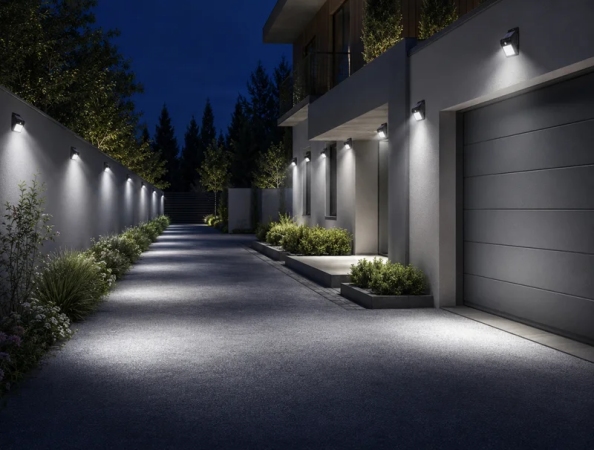
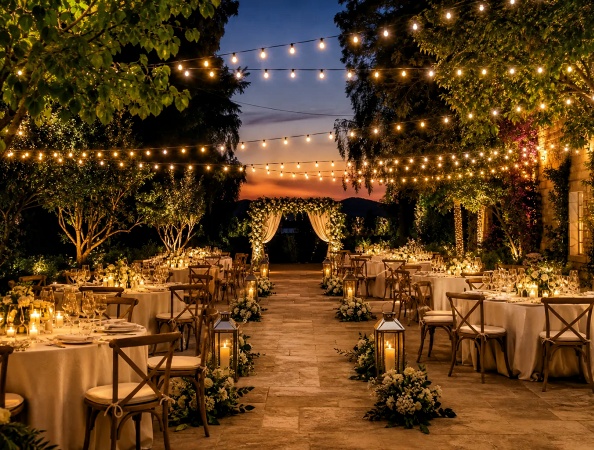
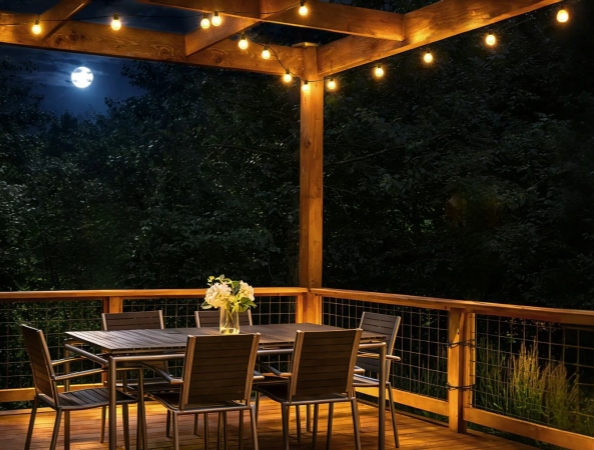
Outdoor weddings often look their best after sunset, when warm, soft lighting can transform a garden, patio, lawn, or reception area into a more intimate setting. Good wedding lighting needs to do more than create a romantic atmosphere. It should also provide enough visibility for guests to move around safely, find seating, and enjoy the reception without making the space feel overly bright. Solar lighting can be a practical choice for venues where running electrical cables would be inconvenient or where couples want a simpler outdoor lighting setup.
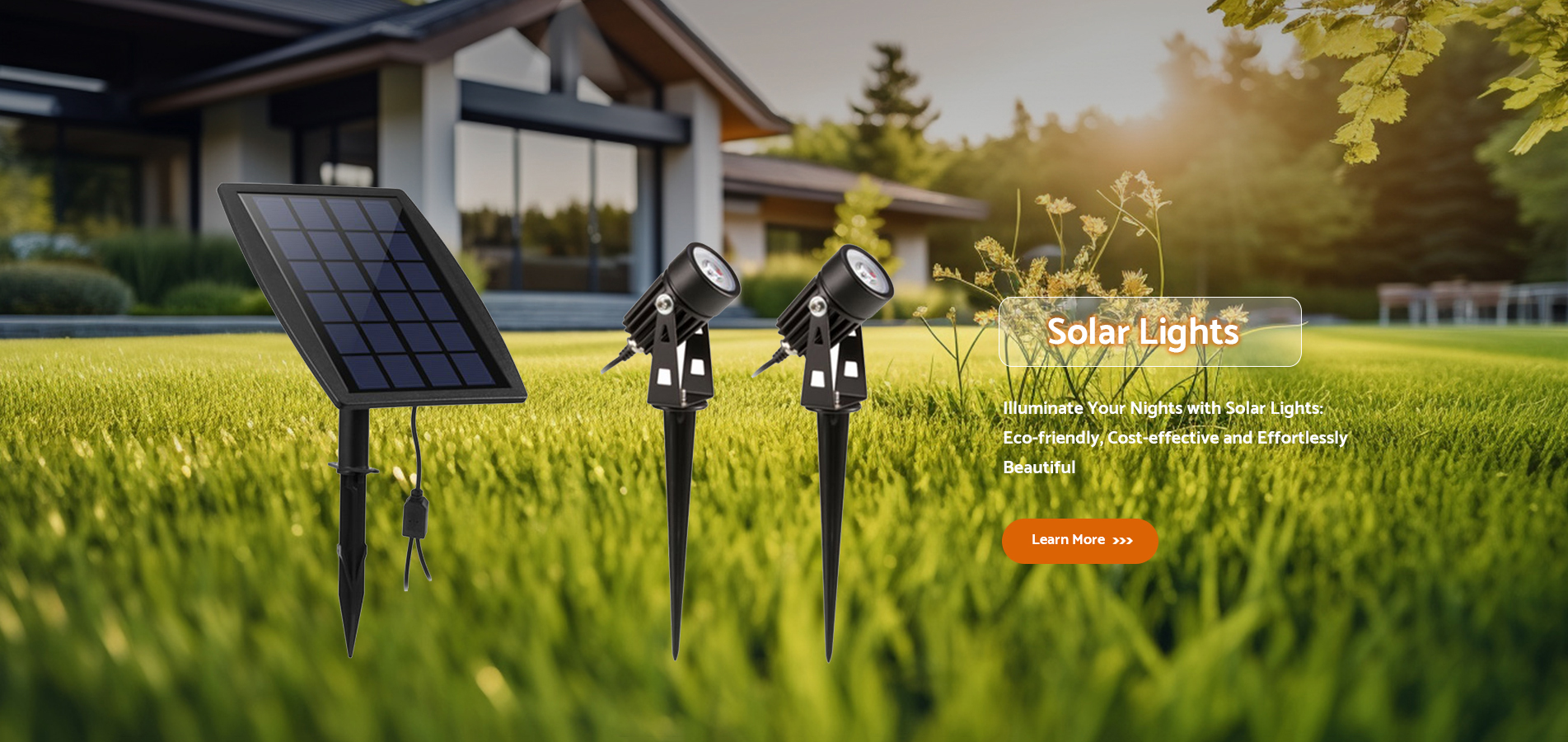
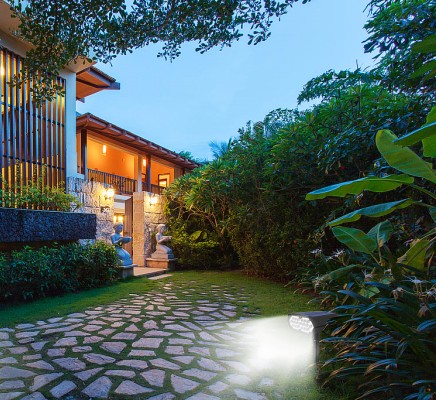
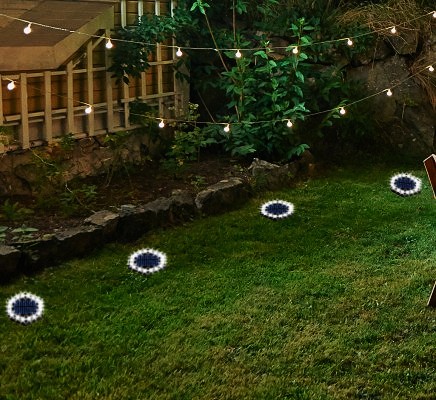
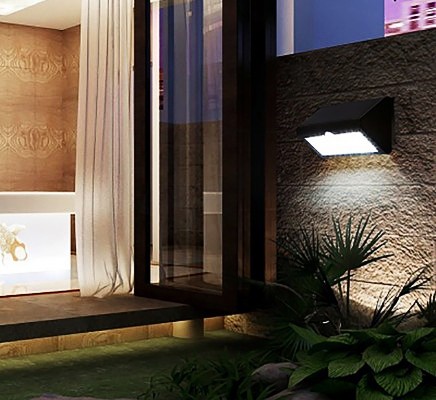
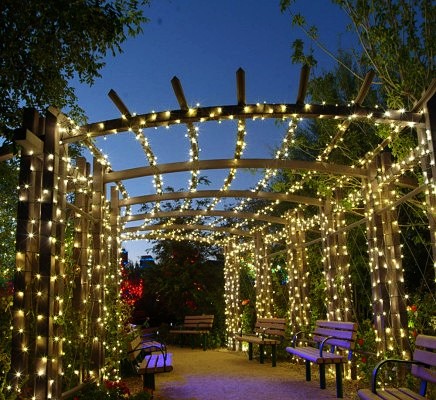
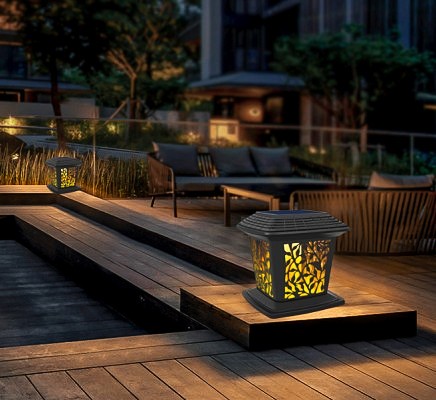
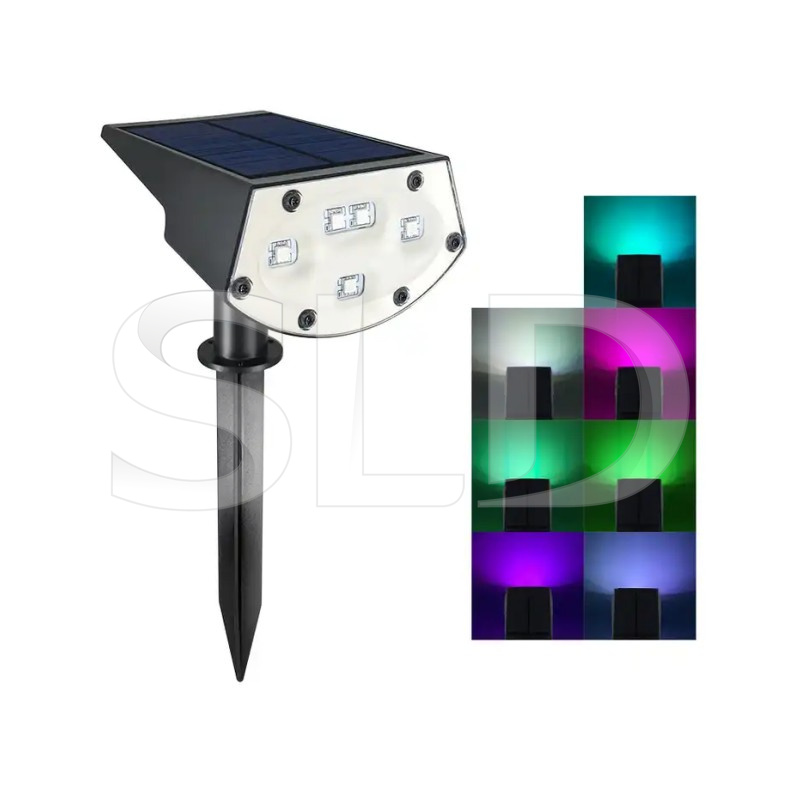
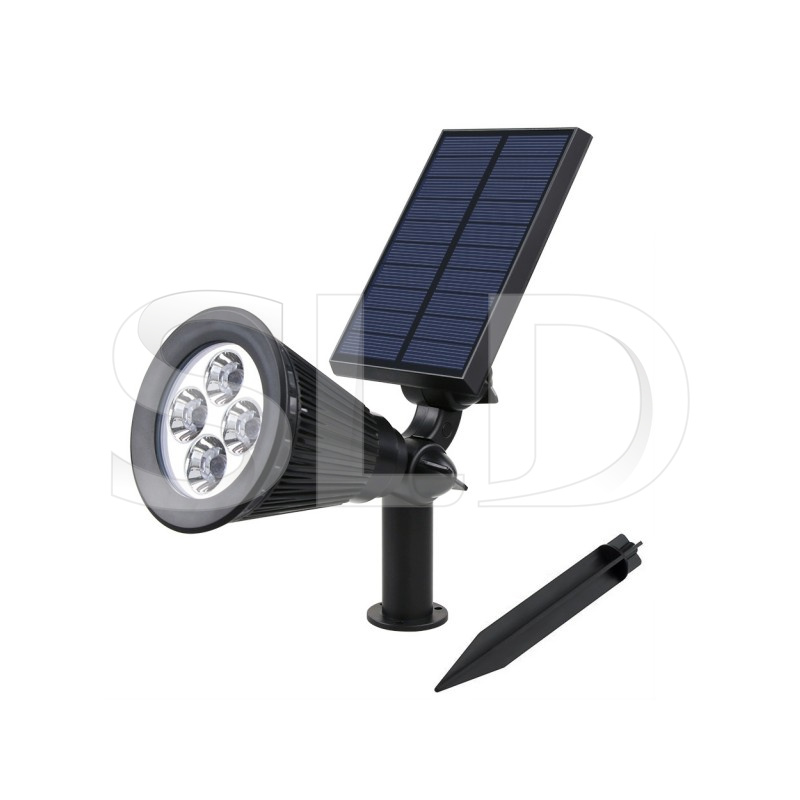
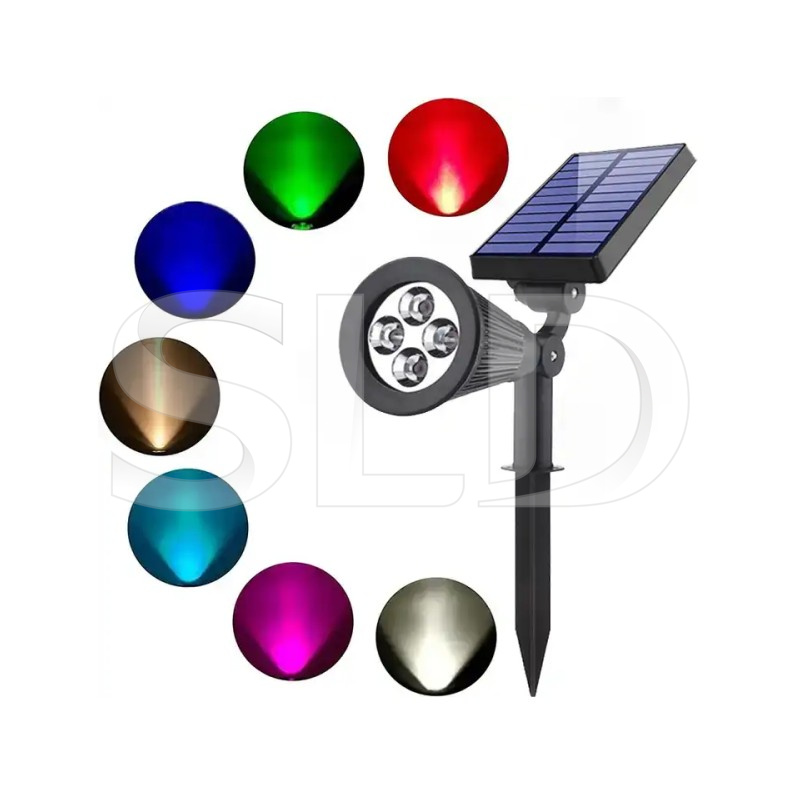
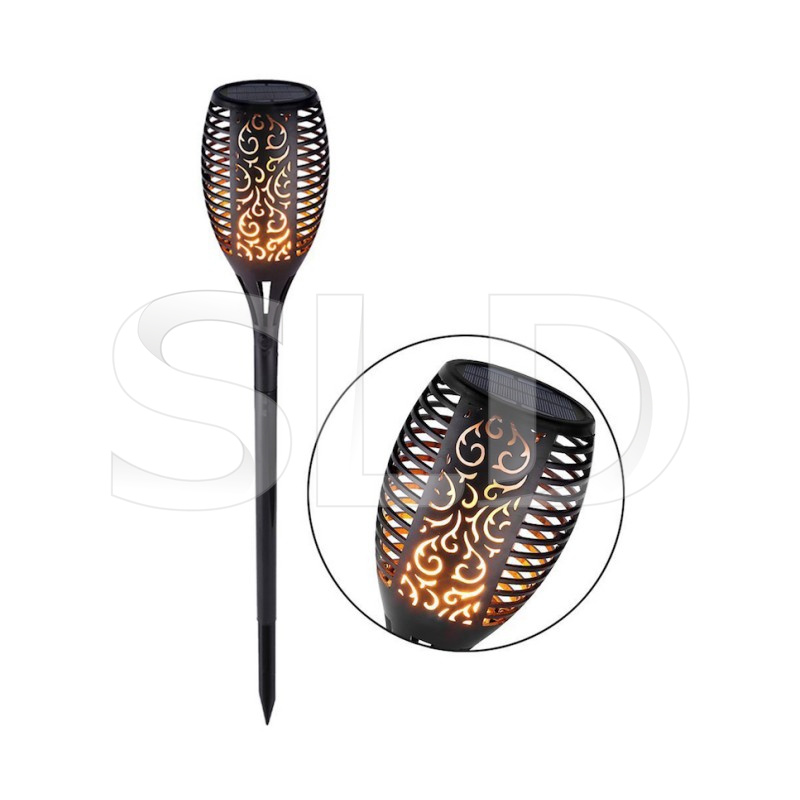
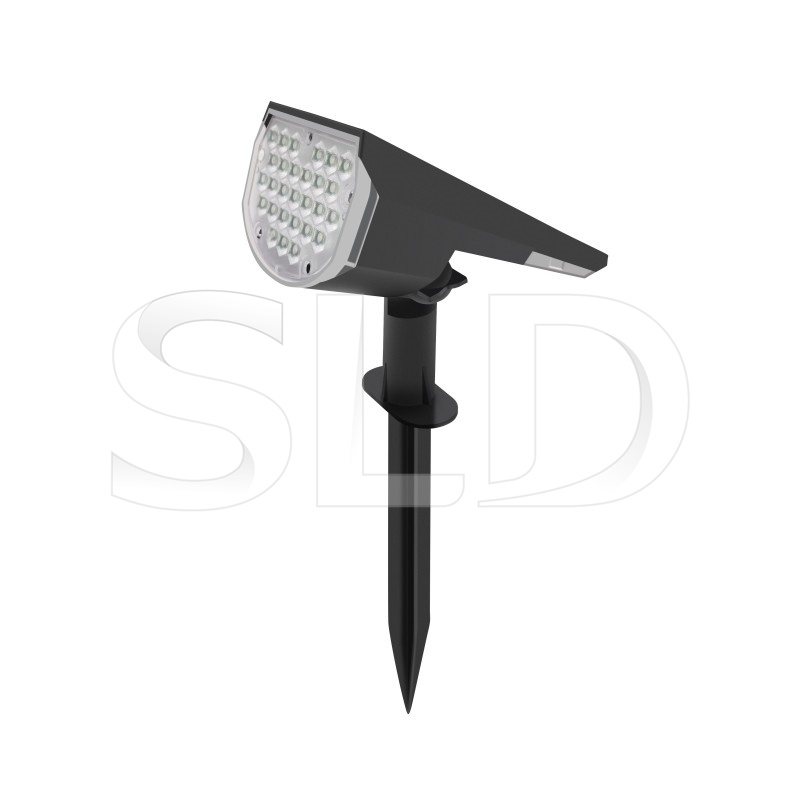
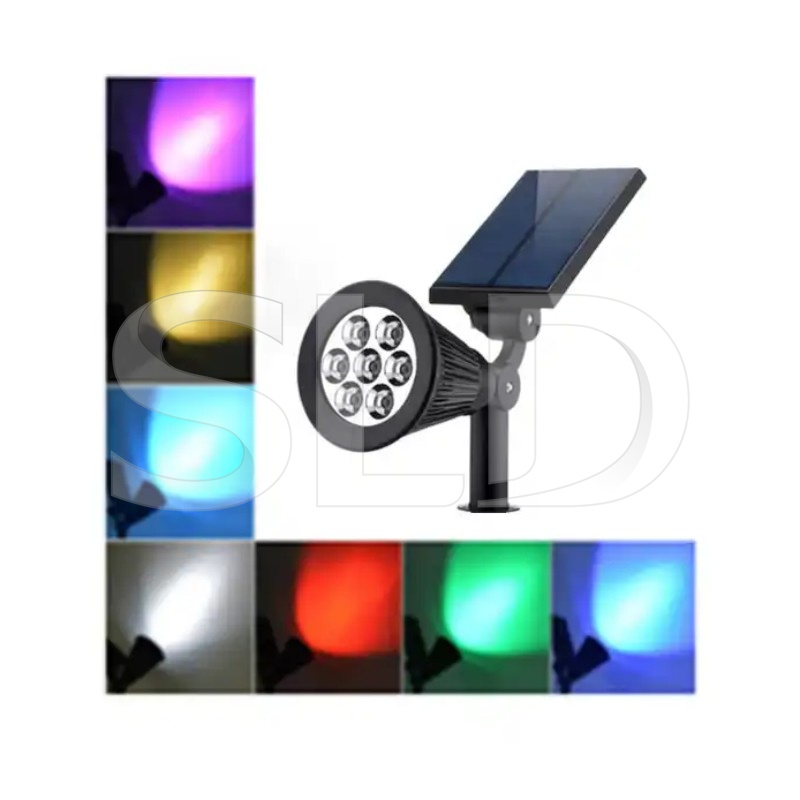
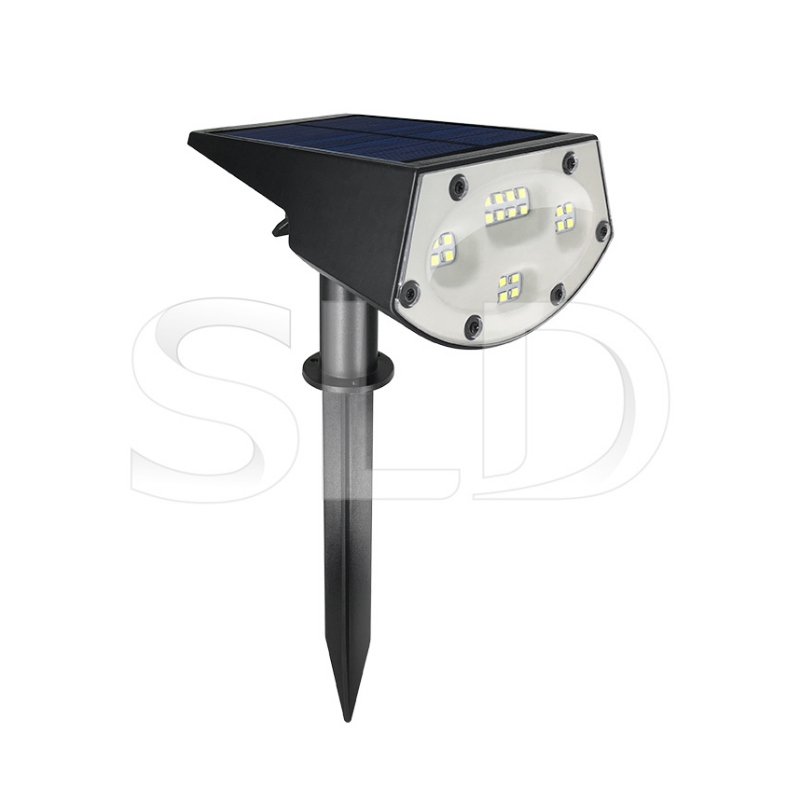
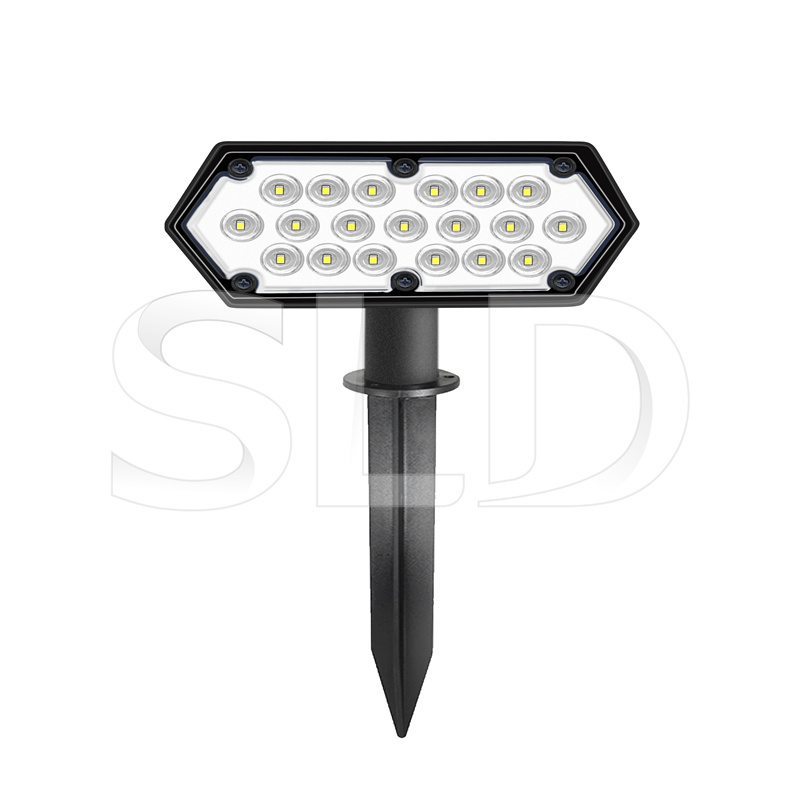
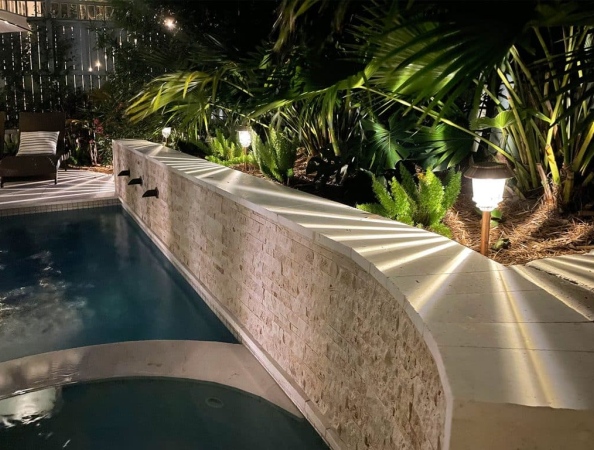
The flexibility of solar lights makes them particularly useful for wedding decorations. They can be placed along walkways, around seating areas, near tables, or among plants and other landscape features without requiring a nearby electrical outlet. Solar garden lights, solar string lights, and solar RGB pillar lights can also be combined to create different layers of illumination, from subtle pathway lighting to a warmer decorative glow around the reception area. Because each application has different lighting needs, the brightness, placement, and design of the lights should be considered together rather than treating decorative lighting and functional lighting as the same thing.
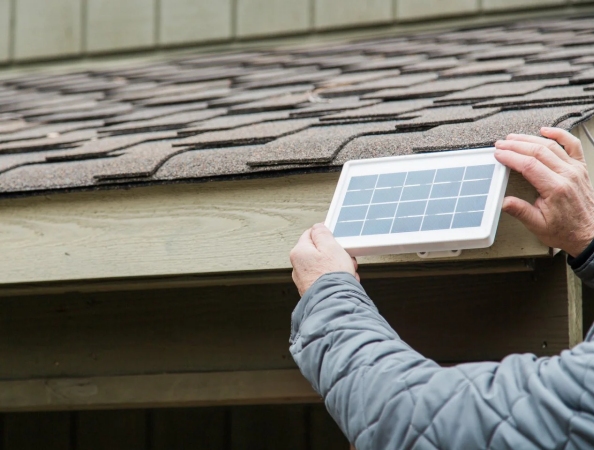
Solar lighting also fits naturally with the outdoor setting of a wedding. During the day, the solar panel collects sunlight and stores the energy in a rechargeable battery. After dark, the stored energy powers the LEDs, allowing the lights to operate without a direct connection to the electrical grid. This can be useful for gardens, fields, terraces, and other outdoor venues where access to power may be limited. It also means that the lights need to be positioned where their panels can receive sufficient sunlight during the day.
The practical side of solar wedding lighting should not be overlooked. Weather conditions, available sunlight, battery capacity, operating time, and the brightness of the LEDs can all affect performance. A light that works well in a sunny garden may not provide the same runtime after several cloudy days. For an evening reception, it is worth checking the expected operating time and testing the lighting arrangement before the event rather than discovering after sunset that certain areas are too dark. Decorative lights can create the desired mood, but entrances, steps, walkways, and other areas where guests need clear visibility may require brighter or additional lighting.
With thoughtful placement and realistic expectations, solar lights can add both atmosphere and practicality to an outdoor wedding. Warm illumination can highlight the landscape, define different areas of the venue, and make the space more inviting after dark, while solar operation can simplify installation in locations where conventional electrical lighting is difficult to arrange. The best results come from choosing lights according to the venue, available sunlight, and actual lighting needs, so the romantic look of the evening is supported by lighting that continues to work when guests need it most.















 Chengyi North Street, Software Park 3, Jimei District, Xiamen Fujian, China
 +86 188 5929 8629
 sales@solarlightsdo.com
 Blog
| Seitenverzeichnis
| XML | Datenschutzrichtlinie
Blog
| Seitenverzeichnis
| XML | Datenschutzrichtlinie